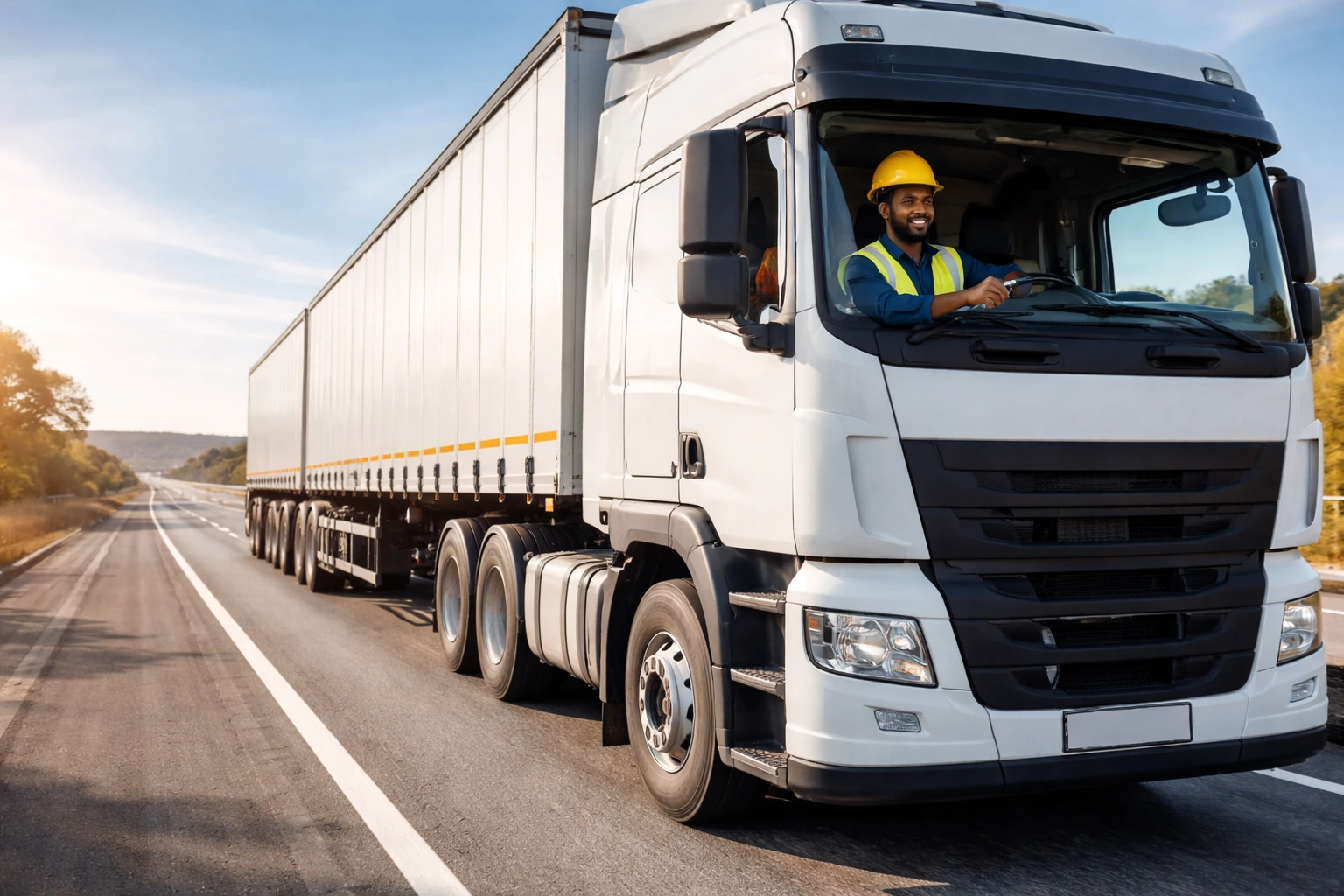

A complete 2026 guide on how to get a Code 14 licence in South Africa. Learn requirements, costs, timelines, and expert insights to fast-track your professional driving career.
How to Get a Code 14 Licence in South Africa (2026 Guide)
Introduction: Why a Code 14 Licence Matters More Than Ever in 2026
In 2026, South Africa’s logistics, mining, and construction sectors are under increasing pressure to move goods faster, safer, and more efficiently. At the center of this demand sits a critical skill: professional heavy vehicle driving. The Code 14 licence in South Africa—officially known as EC—has become one of the most valuable driving qualifications for job seekers looking to enter or grow within these industries.
With supply chain disruptions, infrastructure expansion, and a growing demand for qualified truck drivers, obtaining a Code 14 licence is no longer just an option—it’s a strategic career move. However, many aspiring drivers underestimate the process, costs, and compliance requirements involved.
This guide provides a detailed, analytical breakdown of how to get a Code 14 licence in South Africa in 2026, including insights into trends, costs, and what applicants often overlook.
ALSO APPLY FOR Code 14 Truck Driver Job 2026: Urgent Cape Town Opportunity
ALSO APPLY FOR I&J Yes4Youth Learnership 2026: How AVI Limited Is Opening Doors for Youth in Cape Town
Understanding the Code 14 Licence in South Africa
Before diving into the process, it’s important to understand what a Code 14 licence actually allows you to do.
A Code 14 (EC) licence permits you to operate:
- Heavy motor vehicles exceeding 16,000 kg
- Trucks with trailers (articulated vehicles)
- Long-distance freight vehicles
This licence is essential for careers in:
- Logistics and freight transport
- Mining operations
- Construction and heavy industry
What sets the Code 14 licence apart is not just vehicle size, but the level of responsibility. Drivers are expected to handle high-value cargo, comply with strict safety standards, and often work under demanding schedules.
Key Requirements for Getting a Code 14 Licence in 2026
The process begins with meeting minimum eligibility criteria. While these have remained largely consistent, enforcement has tightened in recent years.
To apply for a Code 14 licence in South Africa, you must:
- Be at least 18 years old
- Hold a valid Code 10 (C1) licence
- Have held your Code 10 licence for a minimum period (often 6–12 months depending on testing centre interpretation)
- Pass a medical and eyesight test
- Obtain a Professional Driving Permit (PrDP) for commercial driving
Insight:
Testing centres are increasingly strict about documentation accuracy. Even minor discrepancies—such as mismatched addresses—can delay your application. This reflects broader efforts to reduce fraud in licensing systems.
Step-by-Step Process to Get a Code 14 Licence
1. Enrol at an Accredited Driving School
Most candidates choose professional training, especially for articulated vehicles. Training includes:
- Yard maneuvers (reversing, docking)
- On-road driving
- Safety protocols
2. Book a Learner’s Licence (if required)
Although many already have a Code 10 learner’s licence, some centres may require an updated learner’s licence aligned with Code 14.
3. Complete Practical Training
Training duration varies:
- Fast-track: 2–4 weeks
- Standard: 1–3 months
4. Book the Driving Test
You’ll need:
- ID document
- Existing licence
- Proof of booking
- Roadworthy vehicle (usually provided by the driving school)
5. Pass the Driving Test
The test includes:
- Pre-trip inspection
- Yard test
- Road test
6. Apply for PrDP
This is mandatory for employment. It includes:
- Criminal background check
- Medical screening
Cost Breakdown: What You’ll Really Pay
One of the most misunderstood aspects of obtaining a Code 14 licence in South Africa is the total cost.
Typical Costs in 2026:
- Driving school training: R8,000 – R18,000
- Licence booking and testing: R300 – R600
- PrDP application: R200 – R500
- Medical tests: R100 – R300
Total Estimated Cost:
R9,000 – R20,000
Insight:
Costs vary significantly depending on location and training quality. While cheaper options exist, undertrained drivers often fail tests multiple times—ironically increasing total costs.
Common Mistakes Applicants Make
Despite the structured process, many applicants struggle due to avoidable errors.
1. Underestimating Vehicle Complexity
Driving an articulated truck requires advanced coordination, especially during reversing and tight turns.
2. Skipping Professional Training
Self-learning or minimal training often leads to repeated test failures.
3. Ignoring PrDP Requirements
Some candidates pass their licence test but delay PrDP application, limiting job opportunities.
4. Choosing Low-Quality Driving Schools
Not all training providers offer adequate practical exposure.
Insight:
Employers increasingly assess not just licences, but actual driving competence. A poorly trained driver may struggle during job assessments.
Industry Demand and Career Opportunities
The demand for Code 14 drivers in South Africa continues to rise in 2026.
Key Sectors Hiring:
- Logistics and distribution companies
- Mining firms
- Construction companies
- Retail supply chains
Salary Expectations:
- Entry-level: R10,000 – R18,000/month
- Experienced drivers: R20,000 – R35,000/month
- Long-haul specialists: Higher earnings with allowances
Trend Insight:
There is a growing preference for drivers with:
- Defensive driving certification
- Hazardous goods (Hazchem) training
- Digital tracking system familiarity
This signals a shift toward more technologically integrated logistics operations.
Challenges in the Licensing System
While opportunities are expanding, the licensing system itself presents challenges.
1. Testing Backlogs
High demand leads to long waiting periods for test bookings.
2. Regional Disparities
Urban areas tend to have better facilities and shorter waiting times compared to rural regions.
3. Corruption Concerns
Authorities have intensified oversight, but irregular practices still exist in some areas.
Insight:
Applicants who plan ahead and book early are significantly more likely to complete the process without delays.
What This Means Going Forward
The importance of the Code 14 licence in South Africa is expected to grow even further.
Key Future Trends:
- Increased regulation and compliance checks
- Greater demand for certified and specialized drivers
- Integration of technology in transport operations
- Expansion of e-commerce logistics networks
As industries modernize, drivers will need more than just a licence—they’ll need adaptability, safety awareness, and technical knowledge.
For job seekers, this means the Code 14 licence is not just a qualification—it’s a gateway into a more structured and professionalized transport sector.
FAQs
1. How long does it take to get a Code 14 licence in South Africa?
It typically takes 4 to 12 weeks, depending on training availability and test booking delays.
2. Can I get a Code 14 licence without a Code 10?
No. You must first hold a Code 10 licence before upgrading to Code 14.
Conclusion
Getting a Code 14 licence in South Africa in 2026 requires careful planning, financial commitment, and proper training. While the process may seem demanding, the long-term career benefits are substantial. With growing demand across key industries, this licence offers a practical pathway into stable and well-paying employment.
However, success depends on more than just passing a test. Choosing the right training, understanding the system, and preparing thoroughly can make the difference between repeated setbacks and a smooth journey into professional driving.